
Treatment technique

What is spinal manipulation?

One of the techniques you may come across during osteopathic treatment. Here is what it involves, what the clicking sound actually is, what it can help with, and how you might feel afterwards.

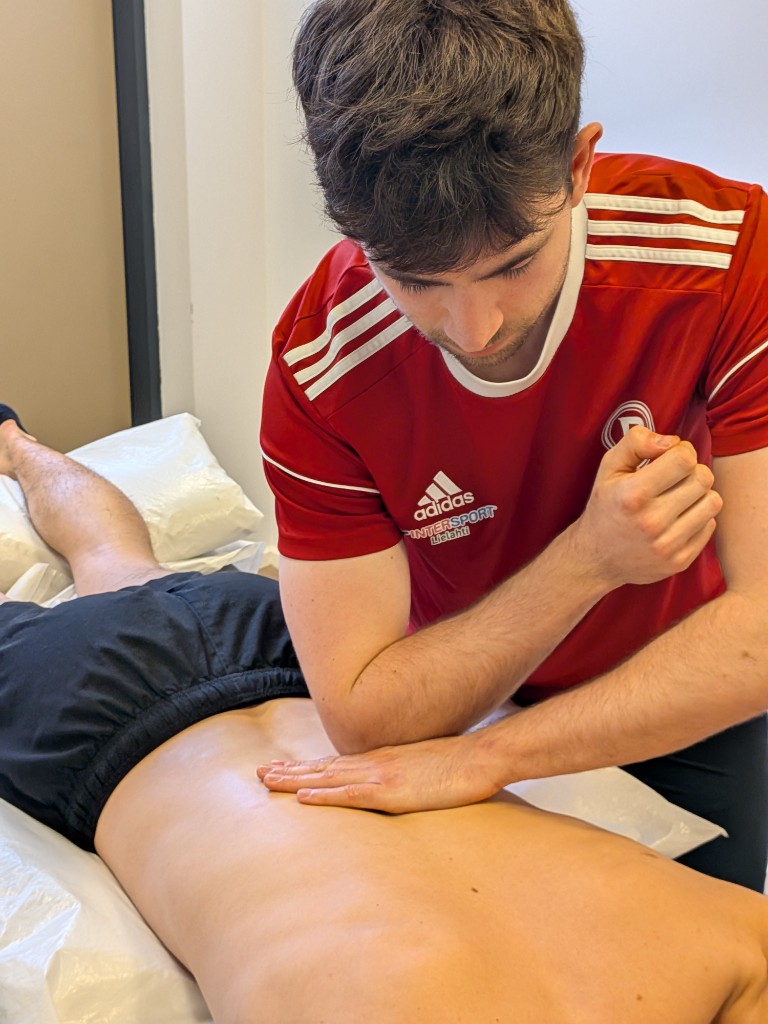
Matthew Knight applying hands-on treatment to a patient’s back

What are spinal manipulations?

Spinal manipulation is a hands-on treatment technique commonly used by osteopaths to help improve joint movement and reduce pain or stiffness.

The technique involves carefully positioning a joint before applying a small, quick and controlled movement. Although it is most commonly used around the spine, similar techniques may also be used on other joints in the body.

What is the clicking sound?

You may hear a clicking or popping sound during a manipulation. This is thought to occur when pressure changes within the joint cause gas in the joint fluid to form or release.

The sound does not mean that a bone has been “put back into place”, and a click is not required for the technique to be effective.

What can spinal manipulation help with?

Depending on your individual circumstances, manipulation may be used to help:

  • Improve movement in a stiff or restricted joint
  • Reduce pain and discomfort
  • Decrease feelings of muscular tension
  • Make movement feel easier or more comfortable
  • Support your return to normal activities

Spinal manipulation is not intended to permanently “realign” the spine. It is usually used alongside other approaches such as joint mobilisation, soft-tissue treatment, exercise, rehabilitation and activity advice.

How might I feel afterwards?

Some people notice an immediate change in movement or comfort. Others may experience temporary soreness, stiffness or tiredness following treatment.

Your response will be monitored, and you will be given advice based on the findings from your assessment. Although serious complications following manual therapy are considered rare, all treatment decisions should be based on an appropriate assessment of the individual patient.

Manipulation is one option among many. It is only ever used where it is appropriate for you, it is always explained beforehand, and it is never carried out without your consent. See what osteopathy involves or browse the conditions commonly treated.

Not sure whether this is right for you?

Book an assessment and Matthew will talk you through the findings and the options before any treatment begins.

Book an appointment